About
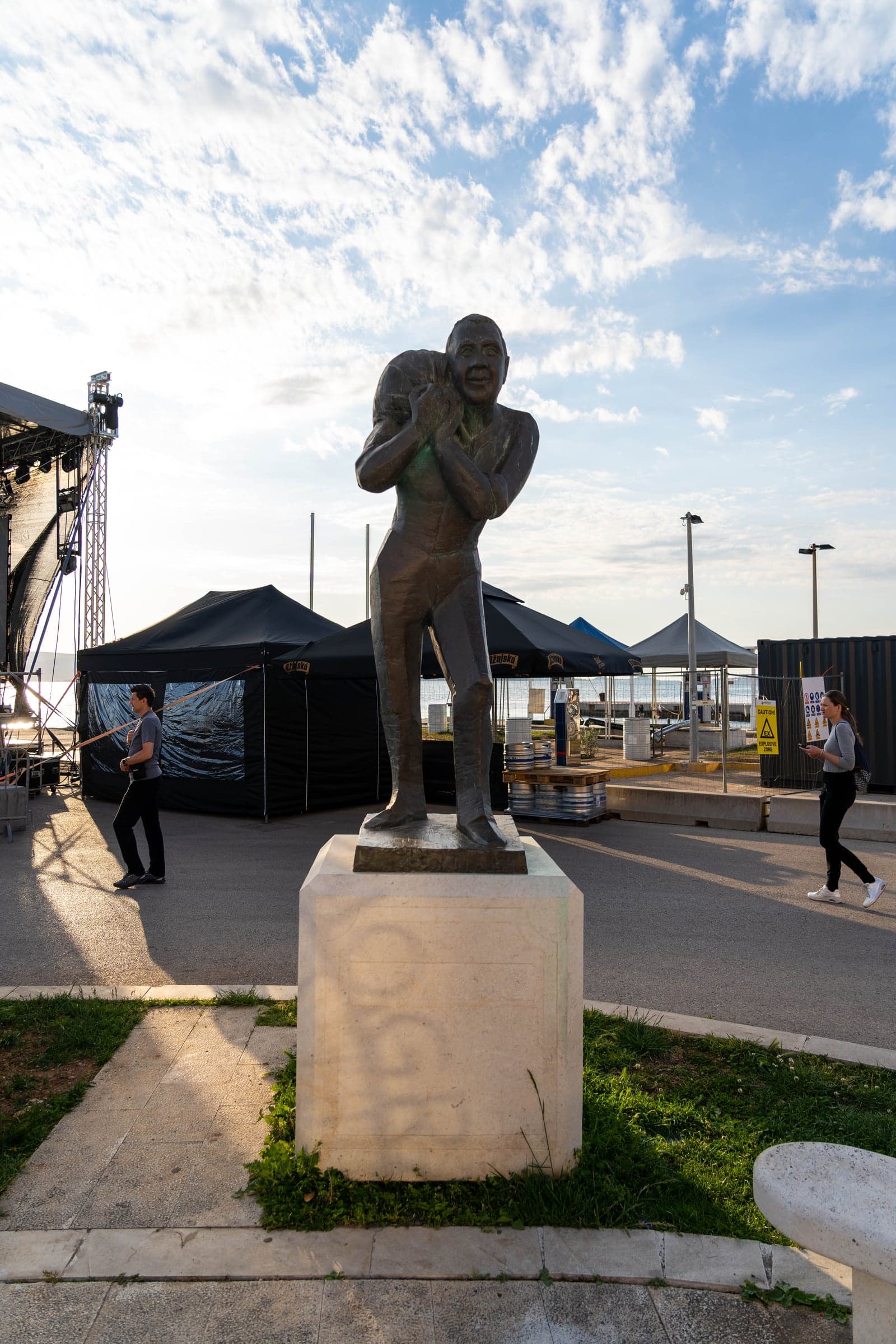
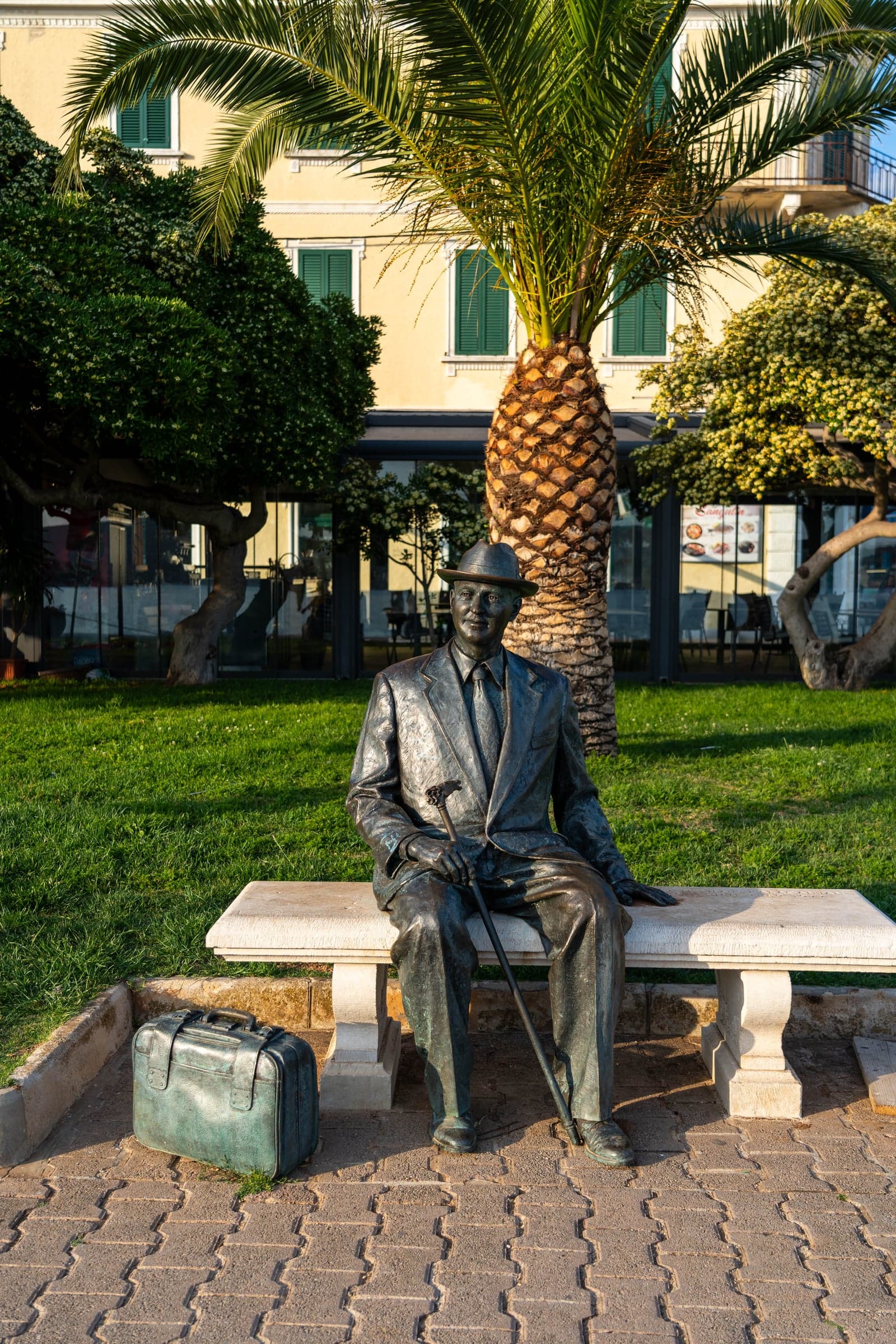
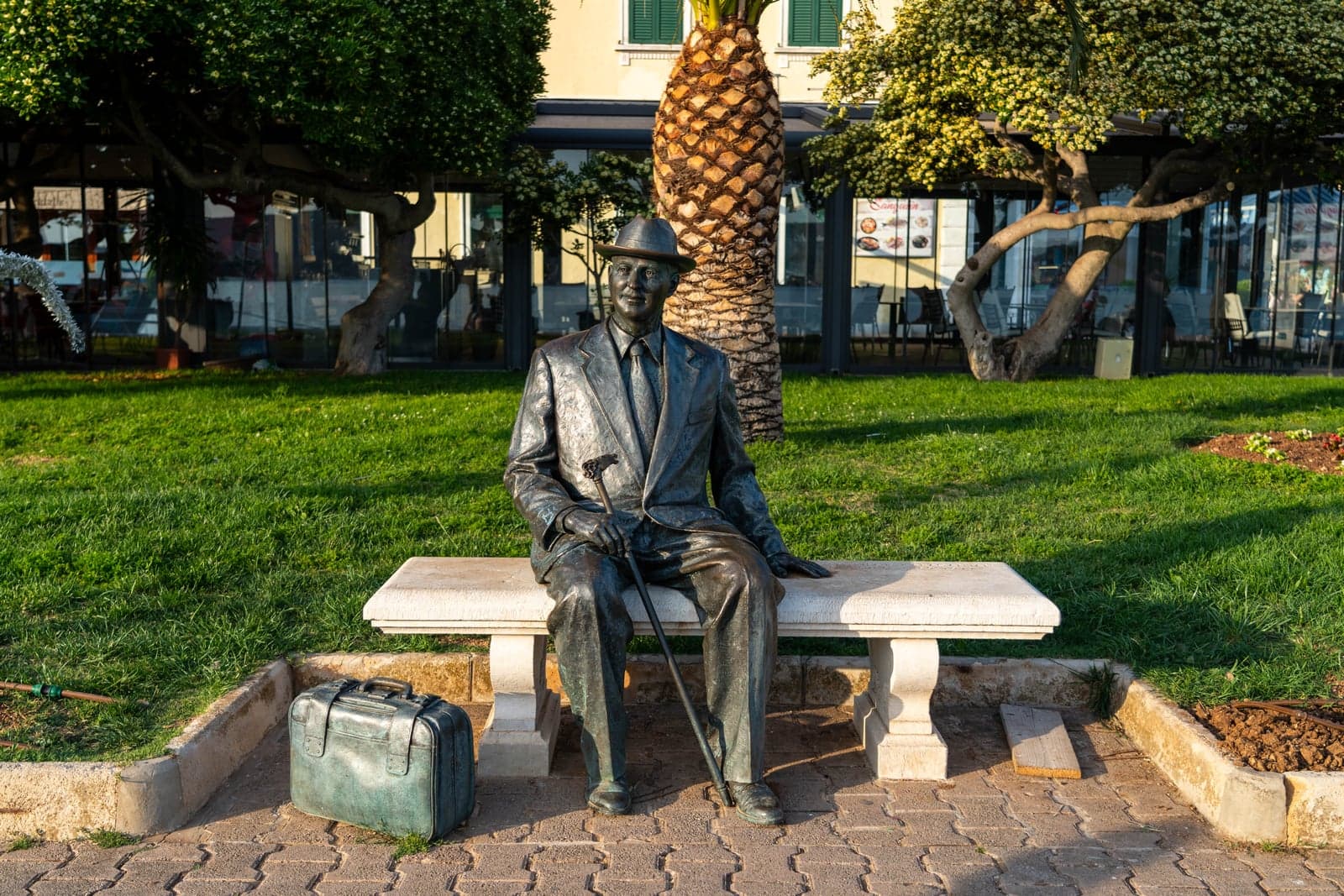
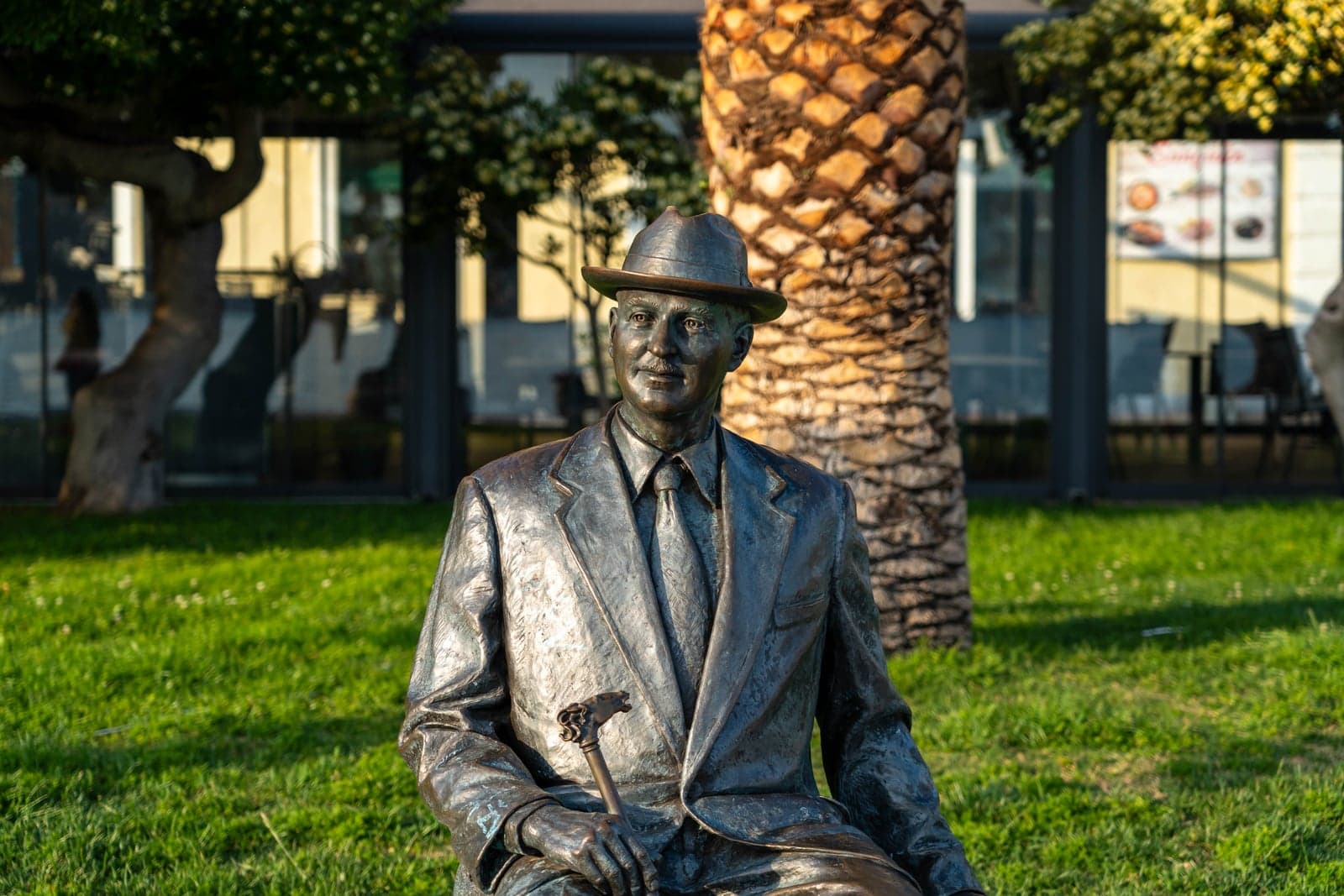
Vagan Melik Karaganjan was a businessman, builder and pioneer of tourism in Biograd na Moru. An Armenian by origin, he served in the First World War in the Imperial Russian Army and later joined the anti-Bolshevik forces — the White Army under General Denikin. As Zadar was under Italian administration at the time, the Regional Committee for Northern Dalmatia of the Primorska Banovina decided to build a regional hospital in Biograd na Moru. Karaganjan was chosen as the contractor and started construction of the regional hospital in 1932, completing it in 1933. After the hospital was finished and opened, Karaganjan decided to stay in Biograd na Moru and invest his own capital in building the Hotel Ilirija. Construction of the Hotel Ilirija began on 5 February 1933 on land known locally as the "Tolić threshing floor" after the Tolić family who owned it. At its opening the hotel had 140 rooms with 200 beds, its own power station, five car garages, a beach, and a tennis court was under construction. In 1934 Karaganjan bought the electrical power station from the Biograd municipality and, by upgrading it technically, electrified Biograd na Moru and the surrounding area, including extending the electrical grid to the regional hospital (1934/1935). Alongside the hotel business, Karaganjan held shares in various mining companies across the then Kingdom of Yugoslavia and was also influential in construction. He built and donated a summer venue to the Biograd "Sokol" organisation for hosting various events, for which the Biograd municipality named him an honorary citizen. He was also active in founding the Biograd Rowing Club and served as its first president. He was a member of the Armenian Apostolic Church and led the committee in Biograd for the construction of an Orthodox church to be built in the Byzantine style. His partner was Ivica (Iva) Čepirlo, born in 1910, who was most likely an employee of the Hotel Ilirija during the 1938 restructuring. Although they were not married and had no children, she stayed with him until his death in 1977. During the Second World War the hotel was confiscated and the Italians turned it first into a resort and then into a military hospital for wounded soldiers. After liberation in 1945 Karaganjan was arrested, held in remand and charged with profiteering and economic sabotage. In June 1945 he was sentenced: all his property was confiscated, he received 10 years of forced labour and the loss of civil rights for seven years after serving his sentence. Karaganjan appealed and his sentence was reduced to seven years of forced labour. He was sent to a labour camp in Vrana on the former royal agricultural estate and stud farm. By decree of the Presidium of the FPRY National Assembly No. 4250/46 of 25 June 1946 the remainder of his sentence was waived, and by decree No. 4167 of 13 September 1950 he was also relieved of the additional penalty of loss of civil rights. After serving his sentence, Karaganjan moved with Iva Čepirlo to Belgrade, where he died in 1977. According to oral testimony, Karaganjan remained faithful to his Armenian heritage, participated in the Armenian community in Belgrade and was one of its more prominent members. He returned to Biograd in 1971 for the opening of the new Hotel Ilirija, built on the site of the old hotel, which had been demolished in 1969. The monument to Vagan Melik Karaganjan was ceremonially unveiled in Biograd na Moru on 21 September 2024, on the Independence Day of the Republic of Armenia. The statue was created by the Romanian sculptor Stefan Bintintan from Alba Iulia (RONDANINI S.R.L.).