About
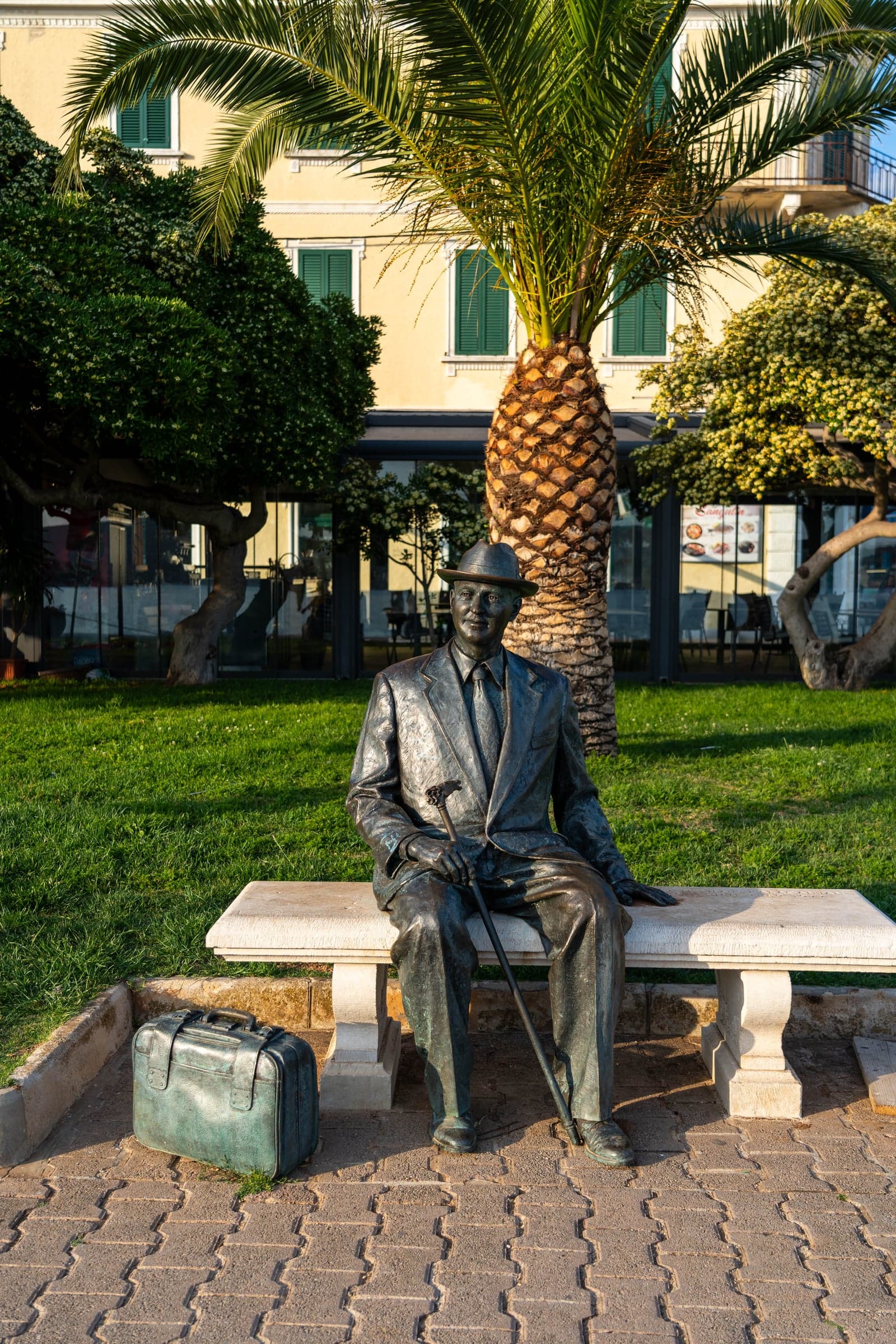
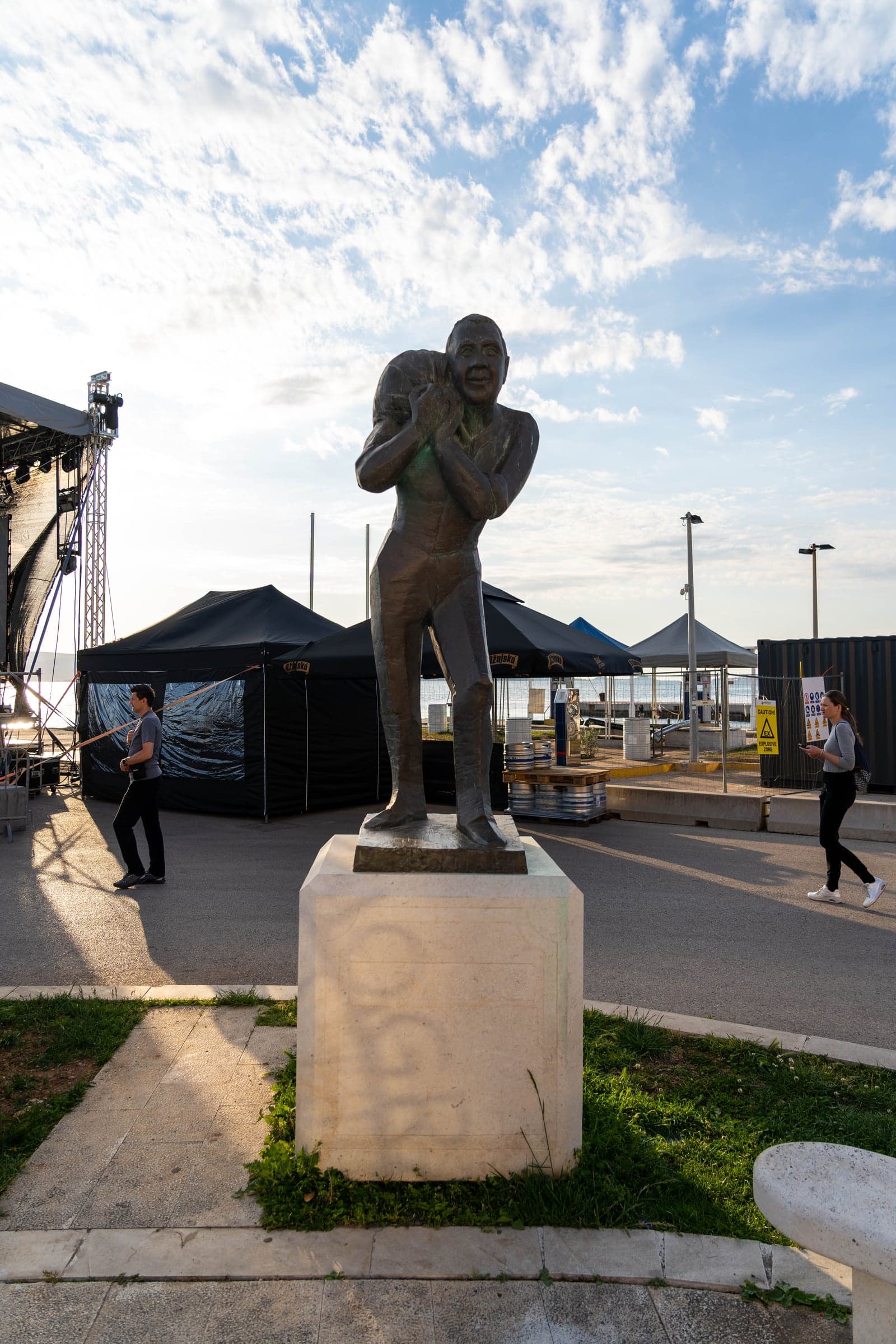
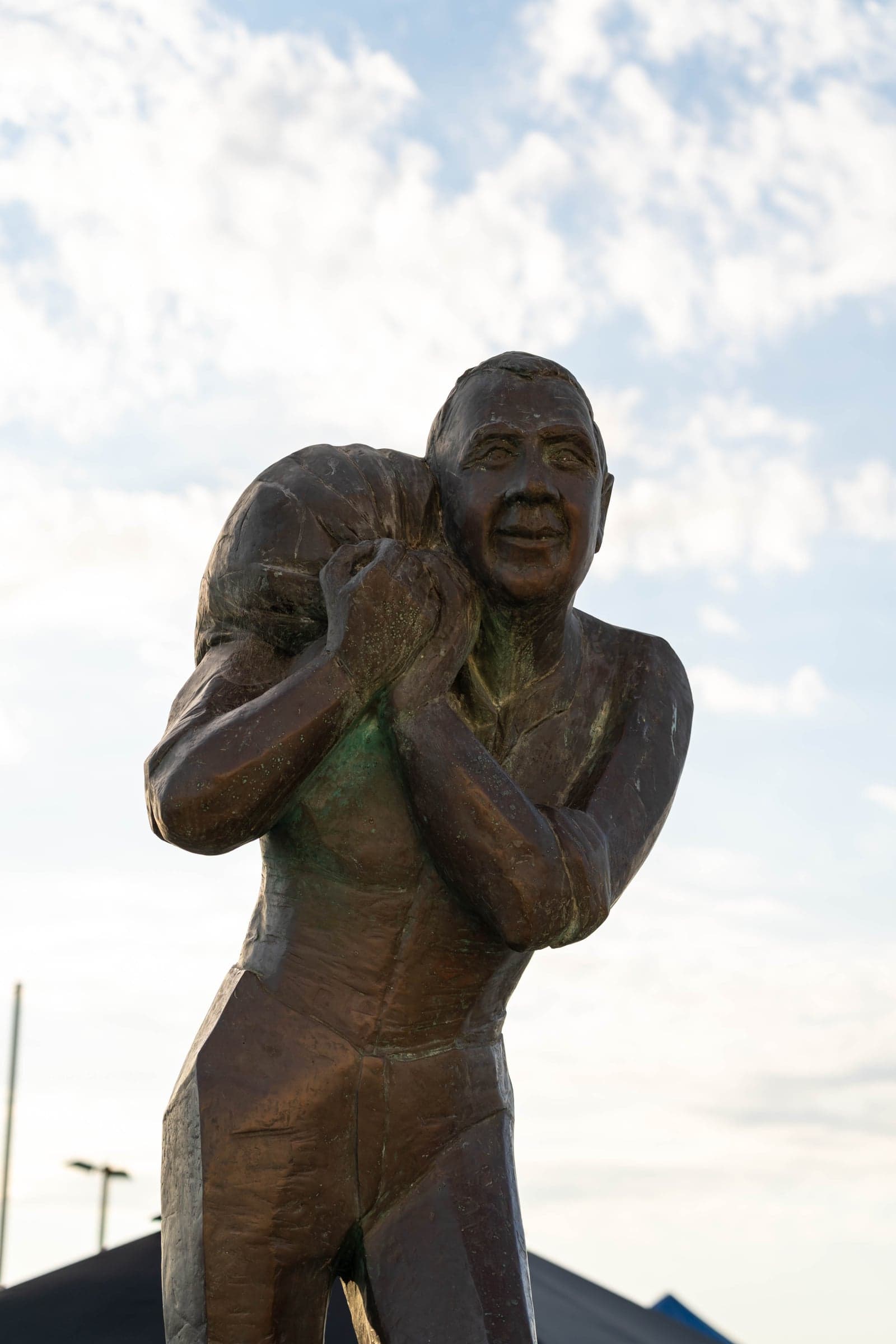
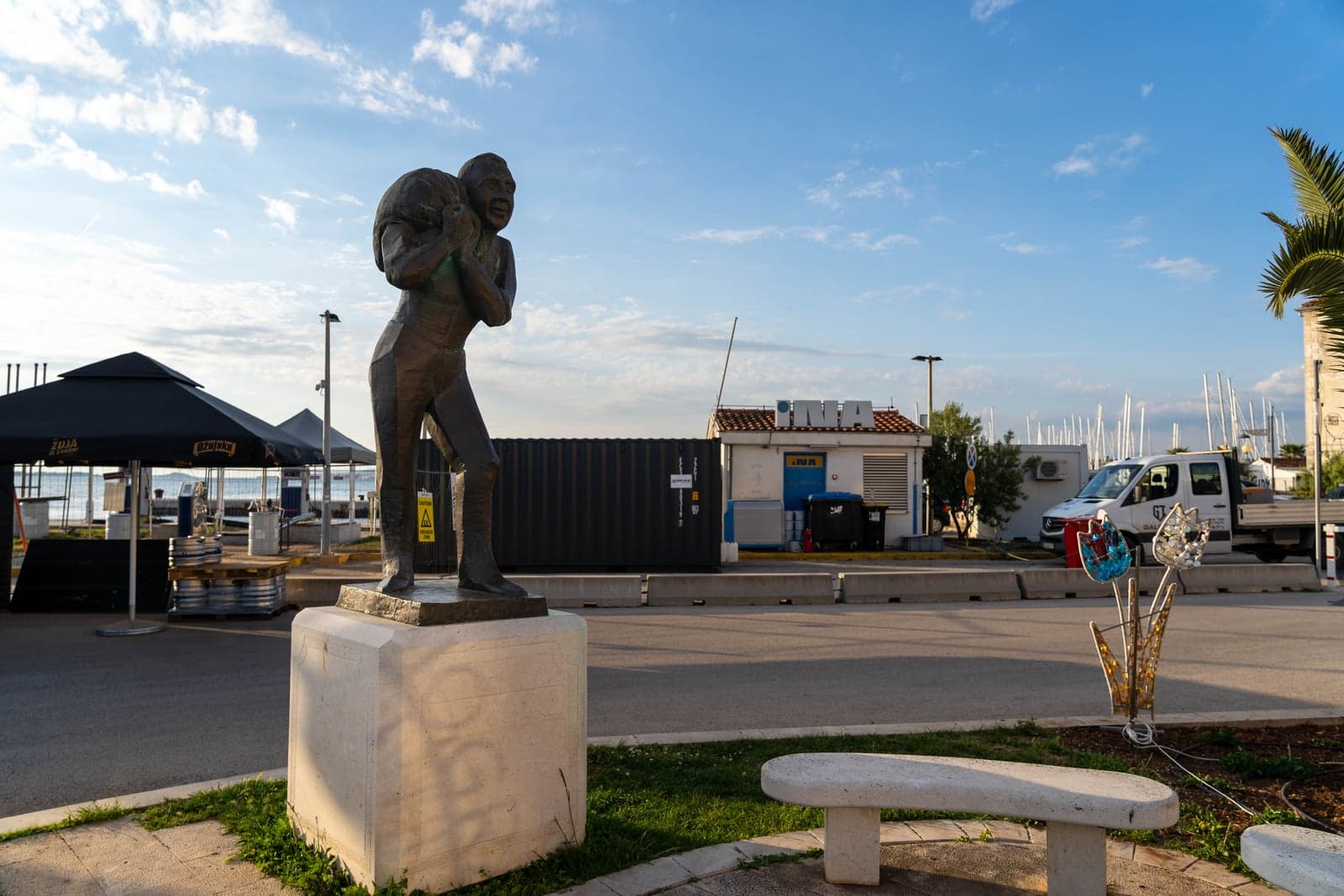
The port of Biograd has always been important — all kinds of cargo passed through it. The Biograd port had its own Harbour Master's Office and Port Health Service. According to the cadastral records, it had a series of small piers along the shore for loading and unloading cargo for sailing ships. One of the oldest photographs dates from the 19th century and shows the steamer Pluto, which delivered equipment for regulating Lake Vrana. In the 20th century, ships docked at the operational quay — an extension of the enclosed part of the Biograd port — to load and unload various cargoes. According to local memory, the most common cargoes were maize, wheat and wine, the latter mainly due to the proximity of the Benkovac winery. The "sabunjare" — sand-carrying ships — were of course indispensable as well. There were also advocates of a railway line to the Biograd port, precisely because of its good location, which would have allowed simple and cheap transport from the fertile hinterland. A company called Obalac operated in the town, and dockworkers worked for it loading and unloading ships. Though they may have seemed rough men who spent the time between jobs in taverns, they were in fact hard-working people who carried on their backs an important share of the cargo of every port in the world, Biograd included. For this reason, the City of Biograd na Moru honoured its dockworkers with a monument in 2013. The work, by sculptor Ante Brčić, was ceremonially unveiled by former dockworker Pave Bogdanić and by Blaženka Jeličić, wife of the man many considered the strongest and most popular dockworker, Roko Jeličić, known as Đujić. She described her husband as being 195 cm tall, weighing 125 kg and wearing a size 50 shoe. Locals especially remember the export of goats through the Biograd port to Greece — they were loaded onto ships by crane and often fell into the sea. Today the port is mainly used by cargo, ferry and working ships, mostly fishing vessels.