About
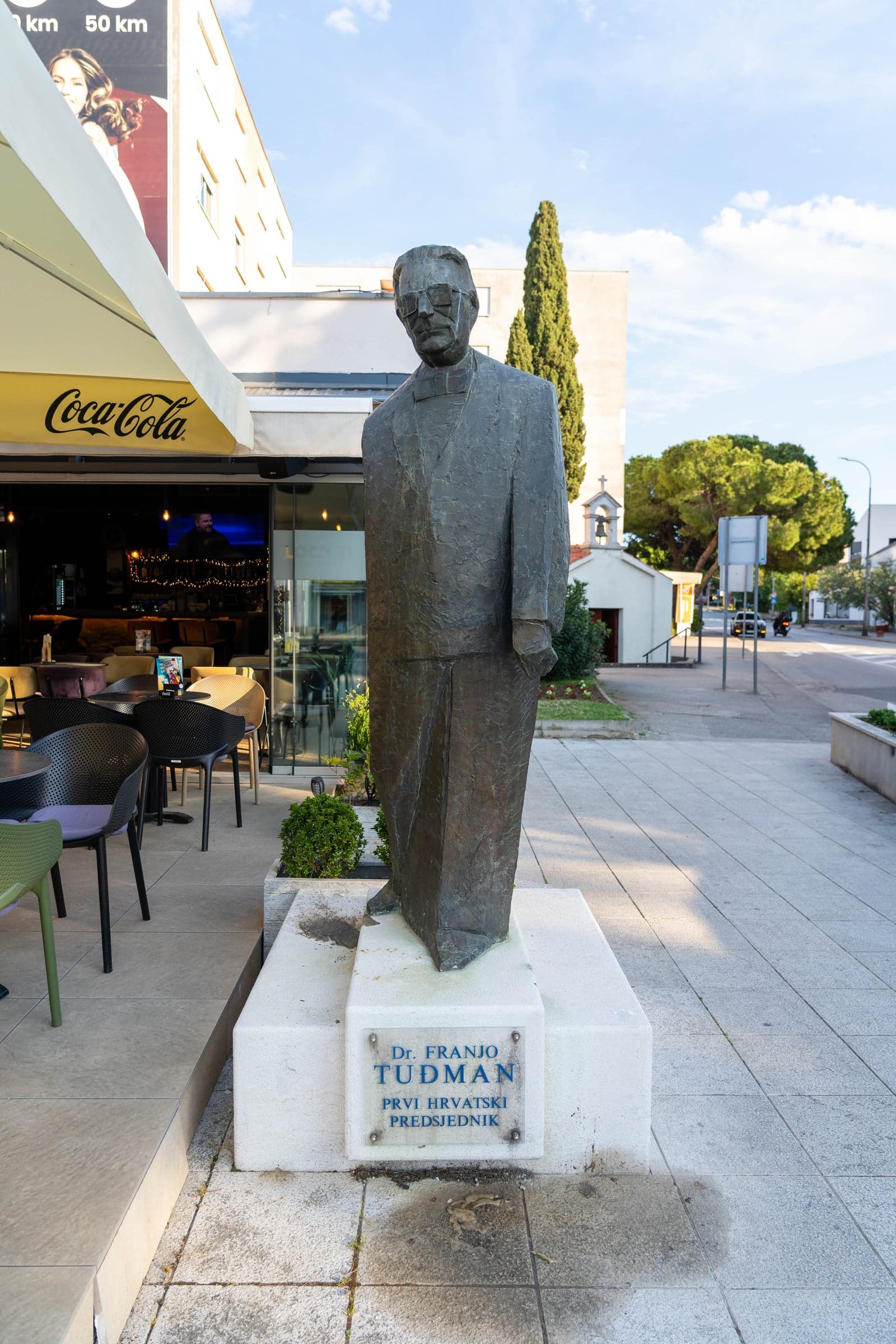
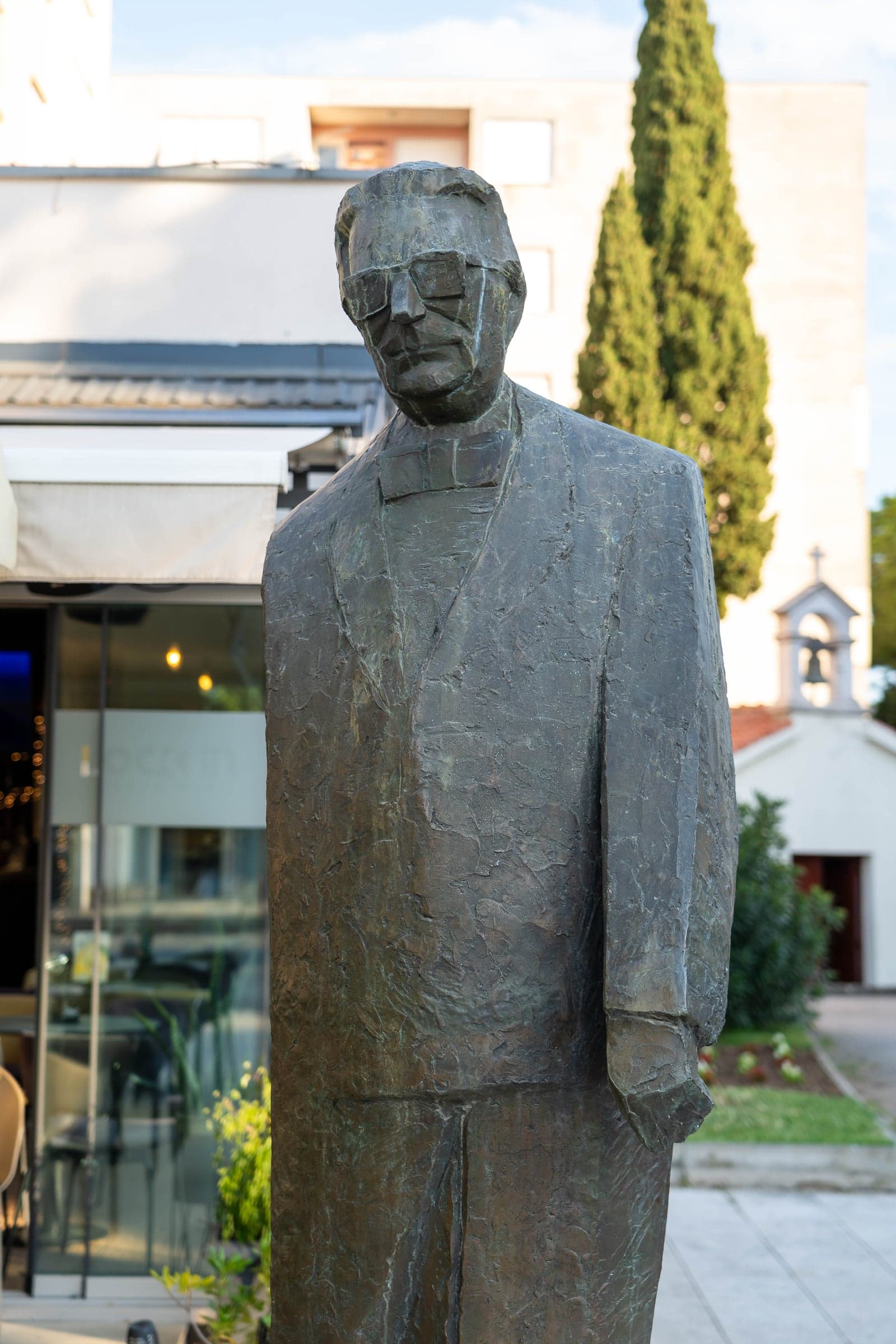
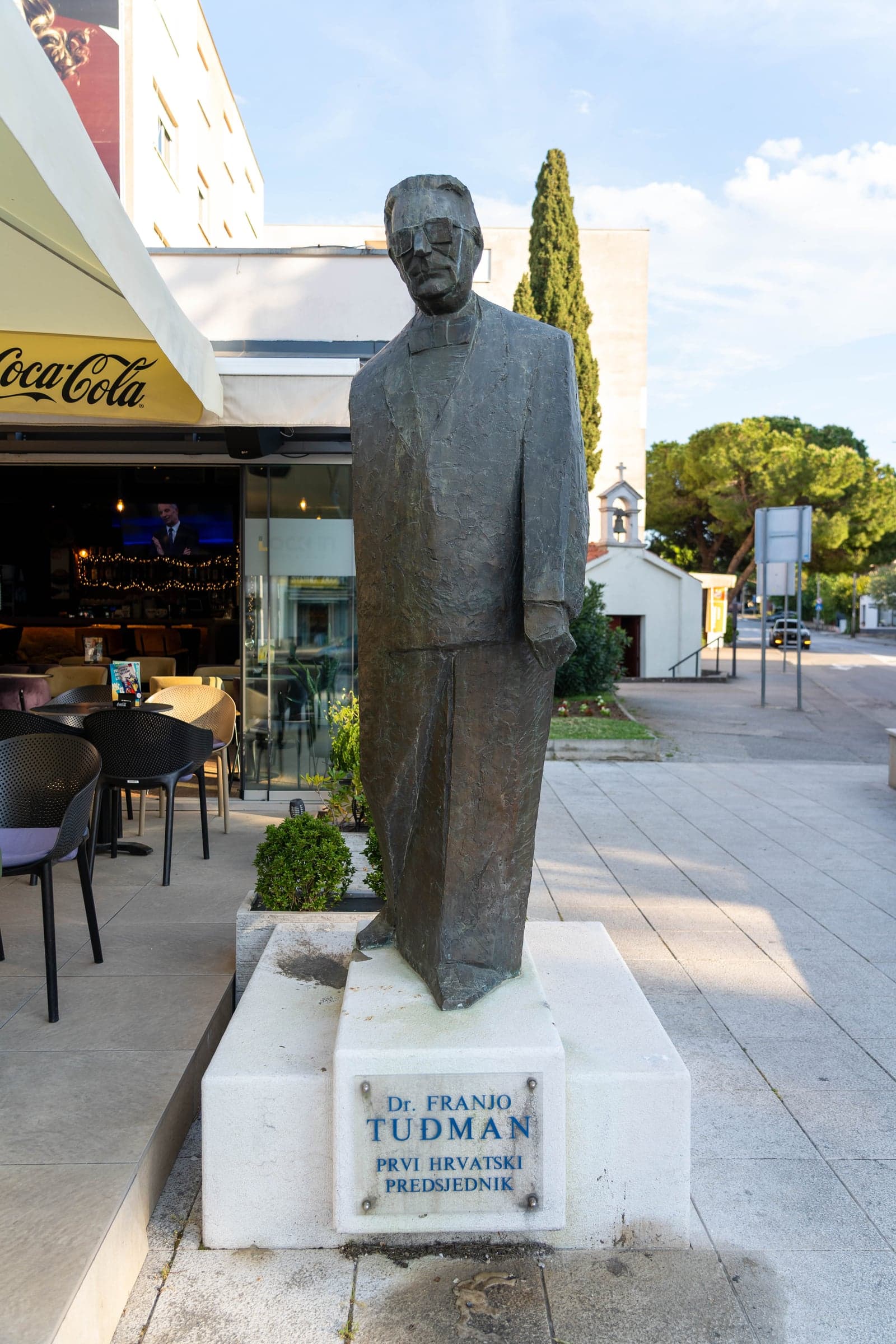
The monument to Dr. Franjo Tuđman, the first President of the Republic of Croatia, was erected in 2007. It was created by the academic sculptor Aleksandar Guberina. Franjo Tuđman was a key political and historical figure in the creation of the modern Croatian state. He was born on 14 May 1922 in Veliko Trgovišće and died on 10 December 1999 in Zagreb. A historian and military officer by training, Tuđman played an important role in the political and military events of the 20th century. During the Second World War he took part in the partisan movement, and after the war rose through the ranks of the Yugoslav People's Army, attaining the rank of general. He later turned to academic work in the field of history, but due to his political views and criticism of the Yugoslav regime he was marginalised and imprisoned. In the late 1980s, during the dissolution of the Socialist Federal Republic of Yugoslavia, Tuđman was one of the founders of the Croatian Democratic Union (HDZ), which soon became the leading political force. He won the first multi-party elections in 1990 and became President of what was then the Republic of Croatia. His leadership was decisive during the Homeland War, when Croatia declared its independence in 1991. As President of the Republic of Croatia (1990–1999), he led the country through wartime and post-war challenges, including international recognition of Croatia in 1992, all of the military-police operations — most notably "Operation Storm" — and the peaceful reintegration of the Croatian Danube region in 1998. Tuđman's policy was focused on strengthening national identity and state independence. Franjo Tuđman remains one of the most important figures in Croatian history. He is considered the "father of the modern Croatian state" for his role in achieving independence and shaping the political system of the Republic of Croatia.